All posts by warren

Settlement vs Trial: Your choice

Introduction

Choosing between settling your case or going to trial is big. We’ll help you understand both options and decide which is best for you.

YouTube player

Settling a Case: What’s It About?

Settling a case means you’ve made an agreement to solve the dispute without a trial. For example, a defendant might agree to pay you a sum, and you agree to drop your claims. You get certainty and save time, money, and stress instead of facing a risky trial.

Most cases settle through a series of court-supervised steps designed to help the parties reach agreement. These short videos walk through the most common ones:

The Gamble of a Trial

Going to trial is risky. You’re placing your fate in the hands of a judge or jury. Here’s what you’re up against:

  1. Costs: Trials are costly. Legal fees, expert witnesses, and more can add up. Winning might not cover the costs.
  2. Time: Trials can take months, even years.
  3. Stress: Trials can be extremely stressful.
  4. Unpredictability: Even a strong case can lose due to various factors, like witness credibility or evidence interpretation.
  5. Reputation Damage: Trials can harm your reputation, especially for sensitive cases.

If your case does proceed toward trial, it helps to understand the steps involved — see our video library on Discovery, Depositions, Exhibits & Witnesses, and Evidentiary Hearings.

Advantages of Going to Trial

While going to trial may seem daunting, it does have its advantages. If your case is strong and compelling, a trial can potentially lead to a larger payout than a settlement would offer. It’s an opportunity to tell your side of the story in a public forum, possibly bringing light to important issues. The process of a trial can also provide a sense of closure, as the verdict is often viewed as a definitive statement of right and wrong. Furthermore, a successful trial verdict may set a precedent, helping others in similar situations in the future.

Weighing Settlements and Trials

How do you choose between a settlement and a trial? Here’s what to think about:

  1. Case Strength: Discuss your case’s strength with your attorney. Understand your evidence, legal strategy, and weak points.
  2. Money Matters: Compare trial costs to a potential win. Consider if a settlement offer meets your financial needs.
  3. Time & Emotion: Think about the time and emotional energy a trial requires. Can you commit?
  4. Risk Comfort: Are you comfortable with the uncertainty of trial outcomes?
  5. Privacy & Reputation: Think about how a trial might affect your privacy and reputation, especially for sensitive cases.

Conclusion

Deciding between a case settlement and trial isn’t easy, it’s a deeply personal decision that demands serious thought. But remember, you’re not alone in this. An experienced attorney can provide tailored guidance based on your unique circumstances. At Reeves Lavallee, PC, we’re here to help you make the best choice for your situation. Don’t hesitate to contact us for more assistance, we’re just a call away.


Please note that the content provided in this blog article is for informational purposes only and should not be considered legal advice. Readers should not rely solely on the information presented here and are encouraged to seek professional legal advice for their specific circumstances. Remember, each situation is unique and requires personalized attention from a qualified attorney.

#CaseSettlement, #LegalTrial, #LegalRisks, #LegalCosts, #LegalStress, #LegalStrategy, #ReputationManagement, #CaseStrength, #FinancialImpact, #EmotionalToll, #PrivacyConcerns, #LegalDecisionMaking, #LegalGuidance, #ReevesLavalleePC, #LegalAssistance, #PersonalizedLegalAdvice


What are the different types of Divorce in Massachusetts?

Divorce is tough and life-changing. In Massachusetts, divorce laws can be complex. This blog post will explain the divorce types in Massachusetts, their requirements, and examples. We will also discuss the importance of hiring an attorney and related costs.

Divorce Types in Massachusetts

There are two main divorce types in Massachusetts: uncontested and contested.

1. Uncontested Divorce (1A divorce)

An uncontested divorce is when both parties agree on all issues. It’s faster, cheaper, and less emotionally draining.

Requirements:

  • Both parties must have lived in Massachusetts for at least six months.
  • Both parties must agree on all divorce-related issues.
  • Both parties must complete, sign, and file a Joint Petition for Divorce.
  • Both parties must complete, sign, and file an affidavit of irretrievable breakdown.
  • Both parties must file a separation agreement, outlining the divorce terms.

Example: A couple agrees to divorce and amicably settles all aspects. They can pursue an uncontested divorce.

2. Contested Divorce (1B divorce)

Contested divorce occurs when parties cannot agree on one or more issues. It involves more litigation, time, and expenses.

Requirements:

  • At least one party must have lived in Massachusetts for at least six months and they must have last lived together in Massachusetts.
  • One party must file a Complaint for Divorce, citing the grounds for divorce.
  • The other party must be served with the complaint and given a chance to respond.

Example: A couple cannot agree on important matters like property or child custody. Their divorce is contested.

Hiring an experienced Reeves Lavallee, PC attorney is crucial. Here’s why:

  • Expertise: An attorney knows Massachusetts divorce laws and protects your rights.
  • Negotiation: A skilled attorney can help you negotiate better terms.
  • Avoiding Errors: An attorney prevents paperwork mistakes and misunderstandings.
  • Court Representation: An attorney represents you in court if needed.

Attorney costs depend on your case’s complexity, the attorney’s experience, and your location. Uncontested divorces are cheaper because they involve fewer billable hours. Contested divorces are costlier due to more time spent on negotiation and litigation.

Remember, legal representation can be expensive, but not having an attorney may cost you more later, especially in complex cases.

In conclusion, understanding Massachusetts divorce types, requirements, and examples helps you make informed decisions. It is essential to have an attorney to guide and protect you through the process. Navigating the complexities of a divorce in Massachusetts can be overwhelming. Do not face this challenging process alone. Reach out to our team of experienced attorneys who are dedicated to providing personalized guidance and support every step of the way. We’ll work tirelessly to ensure your rights and interests are protected, giving you peace of mind during this difficult time. Contact us today for a consultation, and let us help you start the next chapter of your life with confidence and security.

Navigating the Adoption Process in Massachusetts

Introduction

Adoption can be a life-changing experience for both prospective parents and children in need of a loving home. In Massachusetts, the adoption process involves various steps, agencies, and potential challenges. This article will provide an overview of the adoption process in Massachusetts, discussing the agencies involved, timelines, challenges, the importance of legal counsel, and the rewards that come with adopting a child.

Adoption Agencies in Massachusetts

There are two primary types of adoption agencies in Massachusetts: public and private.

  1. Public agencies: The Massachusetts Department of Children and Families (DCF) is the primary public agency responsible for adoption services. DCF primarily focuses on placing children who are in state custody due to abuse, neglect, or abandonment. These children often have functional needs or are part of a sibling group.
  2. Private agencies: Private adoption agencies are licensed by the state and typically focus on placing infants, often through domestic or international adoptions. These agencies can help prospective parents navigate the adoption process, providing support and guidance throughout.

Timelines for Adoption in Massachusetts

The timeline for adoption varies depending on factors such as the type of adoption, the child’s background, and the prospective parents’ preferences. In general, the adoption process can take anywhere from a few months to several years. The following are general estimates for different types of adoptions:

  1. Public agency adoptions: These adoptions can take 12-24 months, depending on the availability of children and the prospective parents’ preferences.
  2. Private domestic adoptions: These adoptions can range from 6 months to 2 years, depending on factors such as the birth parents’ decision-making process and the prospective parents’ preferences.
  3. International adoptions: These adoptions often take 1-3 years, depending on the country of origin and the prospective parents’ preferences.

Comparing International and Domestic Adoption

Adopting a child, whether domestically or internationally, can be an incredibly rewarding experience. However, each type of adoption comes with its own unique rewards and challenges. In this section, we will contrast the differences between international and domestic adoptions, discussing the challenges and rewards of each.

International Adoption

Rewards

  1. Cultural diversity: Adopting a child from another country can introduce new cultural experiences and diversity to your family. This can lead to a greater understanding and appreciation of different cultures and customs.
  2. Expanding your family: International adoption offers the opportunity to provide a loving home to a child from a different country, who may not have had the same opportunities for adoption within their home country.
  3. Global impact: By adopting internationally, you are not only changing the life of one child but also contributing to a larger global effort to address the needs of orphaned and vulnerable children worldwide.

Challenges

  1. Complex legal process: International adoption involves navigating the laws and regulations of both the United States and the child’s country of origin. This can be a complex and time-consuming process, requiring the assistance of an experienced adoption attorney.
  2. Longer wait times: International adoptions often take longer than domestic adoptions, sometimes lasting several years, due to factors such as paperwork, travel, and communication between countries.
  3. Language and cultural barriers: Adopting a child from a different country can present language and cultural barriers that may require additional support, such as language classes or cultural training, to help the child and family adjust to their new environment.
  4. Travel requirements: International adoption typically requires multiple trips to the child’s country of origin, which can be costly and time-consuming.

Domestic Adoption

Rewards

  1. Shorter wait times: Domestic adoptions generally have shorter wait times compared to international adoptions, allowing families to welcome a child into their home more quickly.
  2. Fewer travel requirements: Domestic adoption usually involves less travel, as the child and prospective parents are located within the same country.
  3. Greater involvement in the adoption process: In many domestic adoptions, particularly those involving infants, prospective parents may have the opportunity to be more involved in the adoption process, such as communicating with the birth parents or being present at the birth.

Challenges

  1. Variability in state laws: Domestic adoption laws can vary between states, and prospective parents must navigate the specific requirements and regulations of their home state and the state where the child resides.
  2. Open adoption considerations: Many domestic adoptions involve some degree of openness between the birth parents and the adoptive family. Navigating the dynamics of an open adoption can be challenging, and prospective parents must be prepared for this possibility.
  3. Potential for disrupted adoptions: In some cases, domestic adoptions may be disrupted if the birth parents change their minds about the adoption plan. Prospective parents must be prepared for the emotional challenges that can arise in such situations.

The Importance of Legal Counsel

Due to the complexity of adoption laws and regulations, it is highly recommended that prospective parents seek legal counsel during the adoption process. An experienced adoption attorney can:

  1. Ensure compliance with all state and federal laws.
  2. Help navigate the legal process and facilitate communication between all parties involved.
  3. Provide guidance on potential legal challenges and how to overcome them.
  4. Advocate for the prospective parents’ rights and interests throughout the adoption process.

Costs Associated with Adoption

Adoption costs can vary widely depending on the type of adoption and the specific circumstances. Some of the expenses associated with adoption include:

  1. Agency fees: Public agency adoptions through DCF are generally the least expensive option, with minimal fees or none at all. Private agency adoptions, on the other hand, can range from $20,000 to $40,000 or more, depending on the services provided.
  2. Legal fees: Hiring an adoption attorney is essential for navigating the legal process, and legal fees can range from a few thousand dollars to $10,000 or more, depending on the complexity of the case.
  3. Home study costs: A home study, conducted by a licensed social worker, is required for all adoptions. This process evaluates the prospective parents’ suitability and the home environment. Home study costs can range from $1,000 to $3,000.
  4. Travel expenses: For international adoptions or domestic adoptions involving travel, prospective parents should factor in the cost of airfare, accommodations, and other travel-related expenses.
  5. Post-adoption services: Many adoptions require post-adoption services, such as counseling or support groups, which can add to the overall cost of adoption.

It is essential for prospective parents to research and plan for the financial commitment involved in adopting a child. There are resources available, such as grants, loans, and tax credits, that can help offset some of the costs associated with adoption.

Rewards of Adoption

Despite the challenges, adoption can be an incredibly rewarding experience for both the child and the adoptive parents. Some of the rewards of adoption include:

  1. Building a family: Adoption allows prospective parents to grow their family and provide a loving home to a child in need.
  2. Changing a child’s life: Adoptive parents have the opportunity to make a profound impact on a child’s life, offering stability, support, and love.
  3. Personal growth: The adoption journey can lead to personal growth and self-discovery for adoptive parents, helping them develop new skills and a deeper understanding of themselves.

Let Us Guide You Through Your Adoption Journey

We understand that the adoption process can be both challenging and rewarding. Our dedicated and compassionate team is here to support you every step of the way. With extensive experience in adoption law and a genuine passion for this area of practice, we are committed to helping you navigate the complexities of adoption, ensuring a smooth and successful journey for your growing family. Don’t let the challenges deter you from experiencing the life-changing rewards of adoption. Contact us today to embark on this beautiful journey together, and let us be your trusted partner in creating the family you’ve always dreamed of.

Safeguarding Breathalyzer Test Accuracy: Addressing Challenges and Preventing State Misconduct

Introduction

Breathalyzer tests play a critical role in promoting road safety and protecting lives. Ensuring the accuracy and reliability of these devices is paramount, as state misconduct or negligence could potentially invalidate thousands of cases. In this blog, we will discuss the challenges faced in guaranteeing Breathalyzer Test Accuracy and the proactive measures taken by state-run labs to prevent misconduct and uphold the integrity of these tests.

Challenge 1: Calibration and Maintenance

Proper calibration and maintenance of breathalyzer devices are essential for accurate readings. Negligence in this area could lead to state misconduct, causing incorrect readings and potentially invalidating numerous cases.

Solution: State-run labs must adhere to a strict calibration schedule for all breathalyzer devices, ensuring they meet required accuracy standards. It is crucial to have well-trained technicians who conduct regular maintenance checks and replace faulty components as needed, minimizing the risk of misconduct.

Challenge 2: Environmental Factors

Temperature, humidity, and altitude can all impact the accuracy of breathalyzer tests. Accounting for these environmental variables is crucial in preventing state misconduct and guaranteeing accurate results.

Solution: State-run labs should design testing facilities to simulate various environmental conditions, enabling technicians to calibrate breathalyzer devices accurately for diverse circumstances. This approach ensures reliable results, regardless of where the devices are used.

Challenge 3: Operator Error

Inaccurate breathalyzer test results can also stem from operator error, such as improper administration or interpretation of test results. Ensuring proper training for law enforcement officers is vital in preventing misconduct and maintaining Breathalyzer Test Accuracy.

Solution: State-run labs should invest in ongoing training programs for law enforcement officers to ensure they are proficient in administering breathalyzer tests. This includes practical demonstrations, guidance on interpreting results, and understanding potential sources of error.

Challenge 4: Technological Advancements

As technology evolves, so do the methods for detecting alcohol in a person’s system. Staying informed about these advancements and adapting testing procedures accordingly is essential for preventing state misconduct and ensuring Breathalyzer Test Accuracy.

Solution: State-run labs must commit to ongoing research and development in the field of breathalyzer technology. Collaborating with industry leaders and other experts ensures that devices and testing procedures remain at the cutting edge of accuracy and reliability.

Conclusion

The integrity of breathalyzer testing is critical in protecting the safety of our communities. By addressing these challenges and implementing proactive solutions, state-run labs can prevent misconduct and maintain the accuracy of breathalyzer tests. Together, we work to build a safer, more responsible future for all road users.

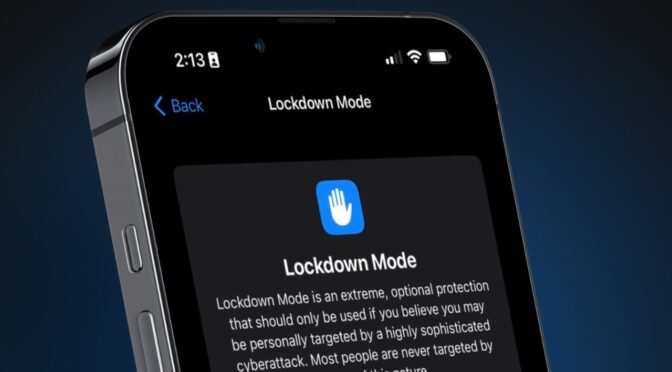
Secure Your Privacy with iPhone Lockdown Mode

In today’s world, safeguarding your digital privacy has never been more essential. If you fear someone may be spying on you, whether an individual or a skilled hacker, Lockdown Mode offers a robust solution to protect your digital assets. Our comprehensive guides and detailed resources equip you with the knowledge and tools to enable Lockdown Mode confidently. Don’t gamble with your safety; take charge of your online security now.

Get to Know iPhone Lockdown Mode

Lockdown Mode is an iPhone security feature that temporarily disables Lightning port data connections. It locks out unauthorized access to the device’s data while playing a vital role in securing user privacy during emergencies.

How to Activate Lockdown Mode

Follow these steps to activate Lockdown Mode on your iPhone:

  1. Quickly press and release the Volume Up button.
  2. Quickly press and release the Volume Down button.
  3. Press and hold the Side button until the Emergency SOS slider appears.

Releasing the Side button without dragging the slider enables Lockdown Mode. Lockdown Mode also activates automatically when an iPhone remains unlocked for over an hour or after five failed Face ID or Touch ID attempts.

Lockdown Mode Functionality

Lockdown Mode disables data connections through the Lightning port, making it unable to transfer data or communicate with other devices. This includes connections to computers, forensic tools, or accessories needing a wired data connection. However, the Lightning port can still charge the device.

Lockdown Mode effectively secures user data from extraction through physical access. For instance, it thwarts law enforcement or hackers’ attempts to access iPhone data using specialized hardware.

Deactivating Lockdown Mode

To exit Lockdown Mode, simply unlock your iPhone using your passcode, Touch ID, or Face ID. The iPhone resumes normal functionality, and Lightning port data connections are restored.

The Importance of Lockdown Mode

Lockdown Mode is an essential security feature providing added protection to iPhone users during emergencies. By disabling Lightning port data connections, it keeps user data safe from unauthorized access. This feature is especially beneficial in the following cases:

  • Lost or stolen iPhones: Lockdown Mode prevents unauthorized individuals from accessing the device’s data using forensic tools or hacking methods.
  • Legal encounters: Lockdown Mode offers an extra layer of security and privacy protection when law enforcement tries to access an individual’s iPhone data without proper authorization.

Conclusion

In this era of data privacy and security concerns, iPhone Lockdown Mode is a valuable security feature empowering users to protect their personal information in emergencies. By temporarily disabling Lightning port data connections, Lockdown Mode prevents unauthorized access to user data, preserving privacy and security in vulnerable situations.

Protecting Yourself from Online Stalking: Legal and Practical Aspects

Warren Lavallee, CISSP

In this article, we delve into the legal and practical aspects of protecting yourself from online stalking. We aim to equip you with knowledge and tools to safeguard your online privacy without compromising important relationships.

Understanding Cyberstalking

Cyberstalking, or online stalking, is the unwanted pursuit or harassment of an individual via the internet. Stalkers often use social media, email, instant messaging, and other platforms to monitor and harass their victims.

Strengthen Your Mobile Phone Security

Securing your mobile phone is crucial to protect yourself from online stalking. Consider these strategies:

Update OS and Apps

Keep your mobile phone’s operating system and applications updated. Updates often contain essential security patches that fix vulnerabilities.

Use Strong Passwords

Create strong, unique passwords for all accounts accessed through your mobile phone, and enable two-factor authentication (2FA) for extra security.

Monitor App Permissions

Pay attention to app permissions when installing new apps. Grant access only to necessary permissions and avoid apps requesting unreasonable access to personal data.

Secure Wi-Fi and Bluetooth

Turn off Wi-Fi and Bluetooth when not in use, and avoid unsecured public networks. Cybercriminals can exploit these networks to intercept personal information.

Utilize a VPN

A VPN encrypts your internet connection and hides your IP address, making it difficult for stalkers to track your activities and location.

Safeguard Personal Information Online

Protecting personal information online is vital to prevent online stalking. Keep these tips in mind:

Limit Personal Information Sharing

Be cautious about the information you share online. Limit personal data disclosed on social media and other platforms.

Control Privacy Settings

Regularly review and adjust privacy settings on social media accounts and online platforms. Ensure profiles and posts are visible only to trusted contacts.

Avoid Unknown Contacts

Don’t accept friend requests, messages, or calls from unknown individuals. Stalkers often use fake profiles to access personal information.

Report and Block Harassment

Report any online harassment or suspected stalking to the appropriate platform or authorities. Block the individual to prevent further contact.

Conclusion

Online stalking poses a significant threat to the safety and well-being of internet users. By implementing robust mobile phone security measures and safeguarding personal information online, individuals can significantly reduce the risk of becoming a victim of online stalking. Remaining vigilant and proactive in protecting one’s digital footprint is essential in today’s interconnected world.